Vitamin D 101: Sunlight, Food, and Why Levels Often Dip
This article is for general wellness and educational purposes. It isn’t medical advice, and it doesn’t diagnose, treat, cure, or prevent any disease.
Vitamin D has an unusual job description. It behaves less like a typical vitamin and more like a hormone your body manufactures, and it depends on something most nutrients don’t: sunlight hitting your skin. That makes it one of the few nutrients where your address, your schedule, and the time of year matter as much as what’s on your plate.
Late summer is a useful moment to think about it. For many people in the northern half of the U.S., the weeks after Labor Day are when daylight starts shrinking, outdoor time drops off, and the easy sun exposure of June and July quietly disappears. Here’s a plain-English look at what vitamin D does, why levels often dip this time of year, and practical ways to stay steady heading into fall.
What vitamin D actually does
Vitamin D is fat-soluble, which means your body can store it rather than flushing the excess daily. Its best-understood role is helping your body absorb calcium and phosphorus from food — without enough vitamin D, calcium intake matters far less because much of it never makes it across the gut wall.
Researchers have also connected vitamin D to several other systems, though the strength of the evidence varies:
- Bone and teeth support. The most established role, tied directly to calcium absorption.
- Muscle function. Vitamin D receptors appear in muscle tissue, and adequate levels may support normal muscle performance.
- Immune signaling. Immune cells carry vitamin D receptors, which is why it often comes up in conversations about seasonal wellness.
- Mood and general well-being. An active area of study, though findings are mixed and far from settled.
The honest summary: bone health is well documented, and the rest is promising but still being worked out. Anyone promising dramatic results from a single nutrient is getting ahead of the science.
Why levels often dip after summer
Your skin makes vitamin D when UVB rays reach it. The catch is that UVB is seasonal, geographic, and easily blocked. A few things work against you once summer winds down:
The sun sits lower
Above roughly 37 degrees latitude — a line running near San Francisco, Denver, and Richmond — the autumn and winter sun sits at an angle where very little UVB reaches the ground. You can spend an hour outside on a bright October afternoon and produce almost none.
You’re simply outside less
School schedules resume, evenings get shorter, and long sleeves come back out. The incidental sun exposure of summer — the walk to the car, the weekend at the lake — stops happening by default.
Some people start lower to begin with
Higher melanin levels mean skin needs considerably more sun exposure to produce the same amount of vitamin D. Adults over 65 also synthesize it less efficiently than they once did, and people who work indoors or cover their skin for cultural or medical reasons get less baseline exposure year-round.
Food helps, but only so much
Very few foods contain meaningful vitamin D naturally. The reliable ones are worth knowing:
- Fatty fish — salmon, mackerel, sardines, and trout are the standouts
- Cod liver oil — concentrated, though not everyone’s favorite
- Egg yolks — modest amounts, and it varies with how the hens were raised
- UV-exposed mushrooms — one of the only plant sources of note
- Fortified foods — milk, some plant milks, orange juice, and cereals, which is where most Americans get the bulk of theirs
Even a well-built diet tends to land people short of what sunlight would have supplied in July. That gap is the practical reason vitamin D shows up in nearly every multivitamin formula on the shelf.
A simple fall routine
You don’t need a complicated plan. A few habits tend to carry most of the weight:
- Take outdoor time when you can get it. A midday walk in early fall does more than the same walk at 5 p.m., when the sun angle has already dropped.
- Put fatty fish on the menu once or twice a week. Canned sardines and salmon count and cost very little.
- Pair vitamin D with a meal that contains fat. Because it’s fat-soluble, absorption is generally better alongside food than on an empty stomach.
- Cover the baseline with a daily multivitamin. Most complete formulas include vitamin D3 along with the other nutrients that tend to slip in fall and winter.
- Ask for a blood test if you’re unsure. A 25-hydroxyvitamin D test is inexpensive and takes the guesswork out entirely — and it’s the right call before starting a high-dose supplement.
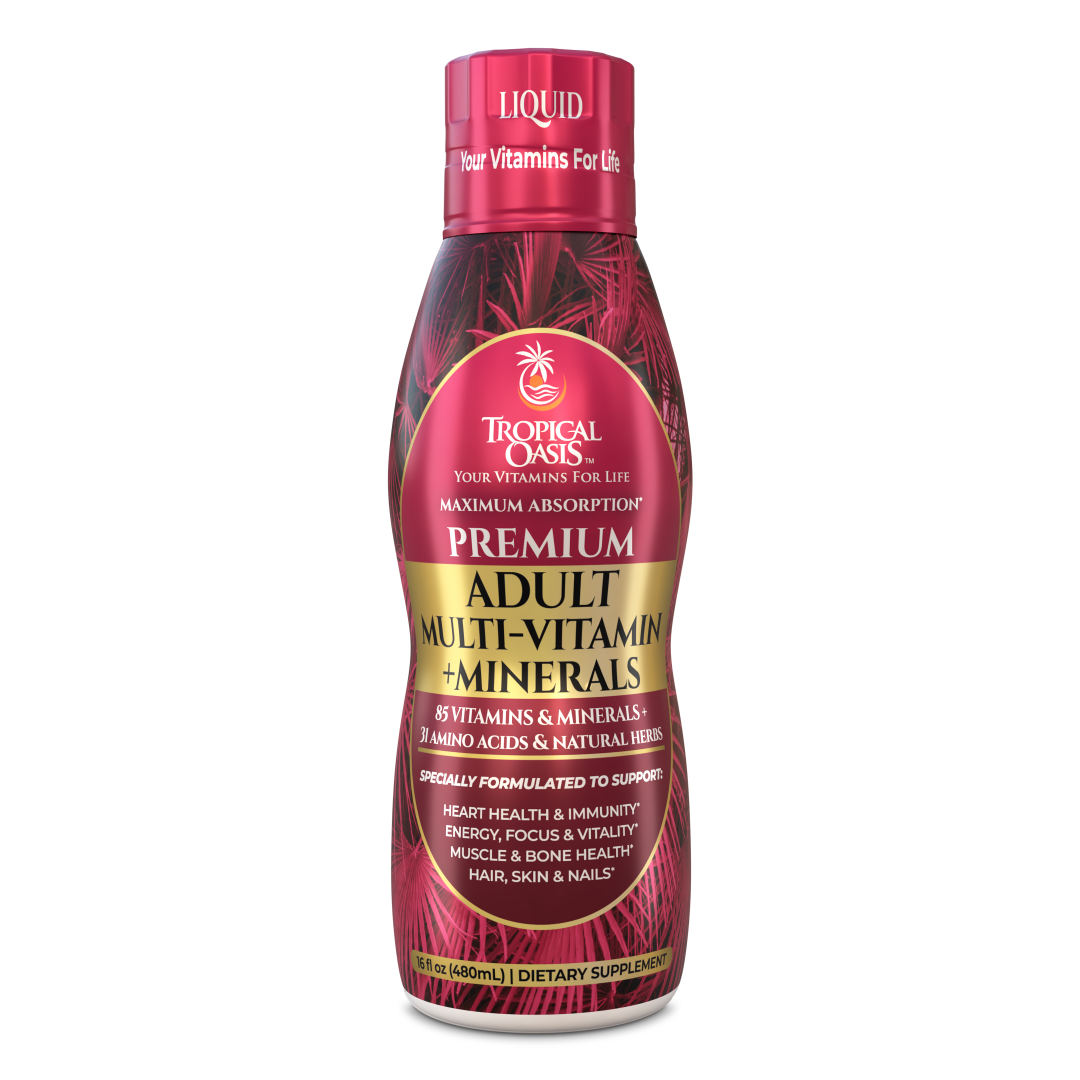
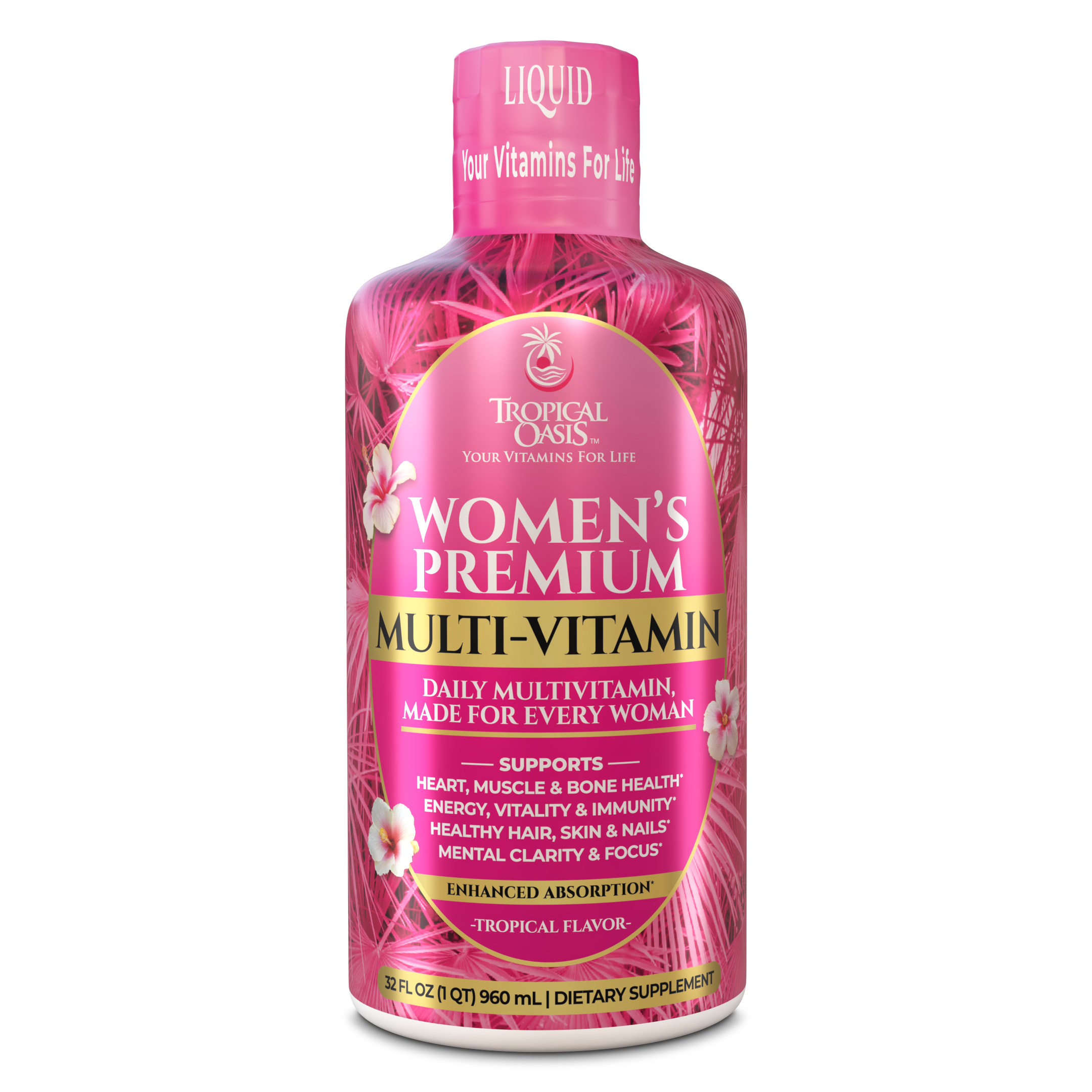
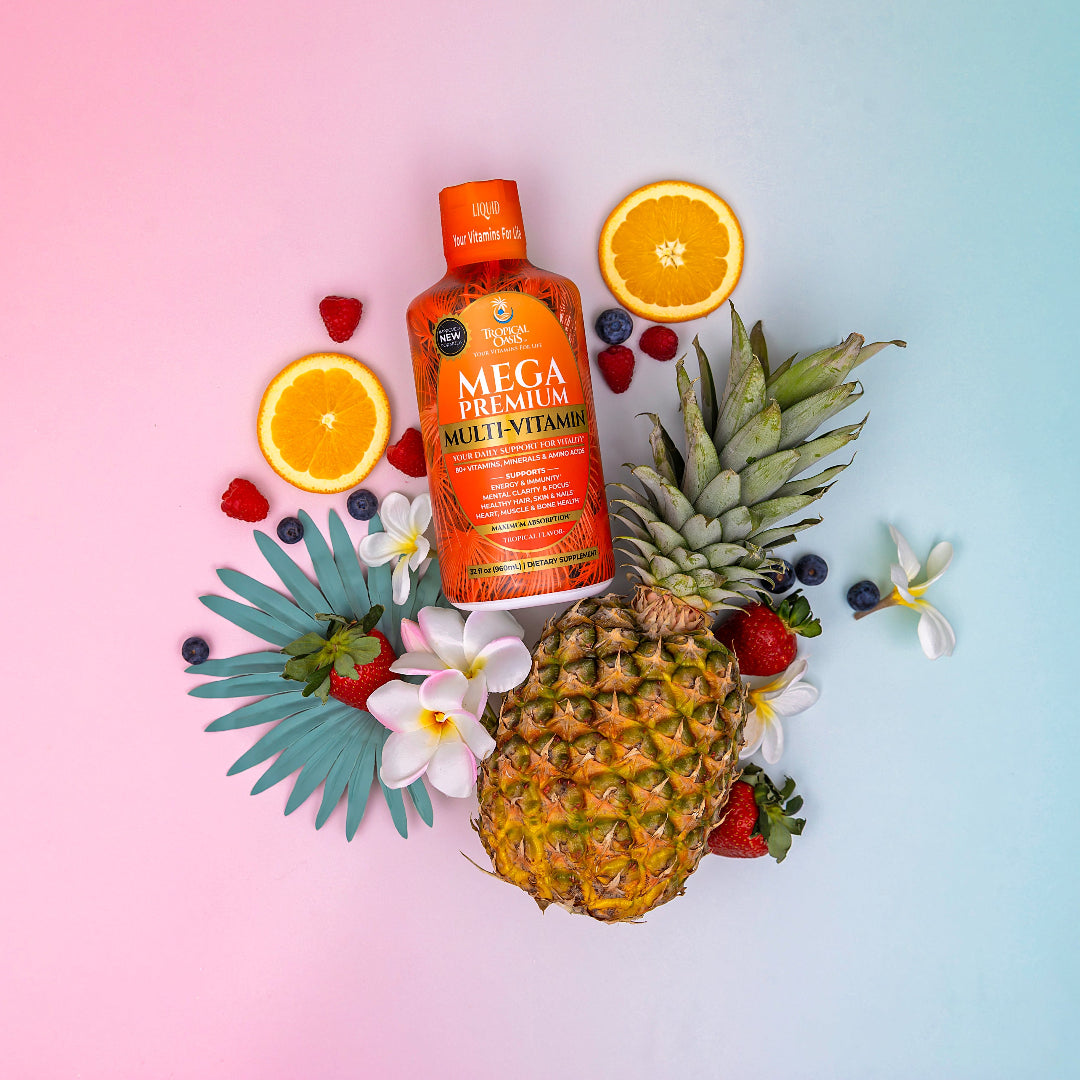
If a daily multivitamin is the route you take, a liquid formula can make consistency easier — there’s no pill to swallow and no capsule to break down first. Our Women’s Premium Liquid Multivitamin and Liquid Mega Premium Multivitamin both include vitamin D3 alongside a broad base of vitamins and minerals, so you’re not stacking a shelf of single-nutrient bottles to cover the seasonal gap.
A note on going overboard
Because vitamin D is stored rather than excreted, more isn’t automatically better. Very high doses taken over long stretches can push calcium levels too high, which is not something you want. Sunlight won’t cause this — your skin self-regulates — but supplements can, which is why label directions exist and why megadosing without testing isn’t a good bet. For most healthy adults, the amount found in a standard daily multivitamin is a sensible place to sit.
The short version
Vitamin D is one of the few nutrients where the calendar genuinely matters. Summer does a lot of the work for you; fall and winter don’t. Knowing that ahead of time means you can plan around it with a little more sunlight, a little more fish, and a consistent daily habit — rather than wondering in February why you feel a step behind.
Want a simple starting point for the season ahead? Browse the full Tropical Oasis lineup and find the liquid formula that fits your routine.
Always follow label directions. If you’re pregnant or nursing, taking medications, or managing a health condition, check with your healthcare professional before starting a new supplement.